
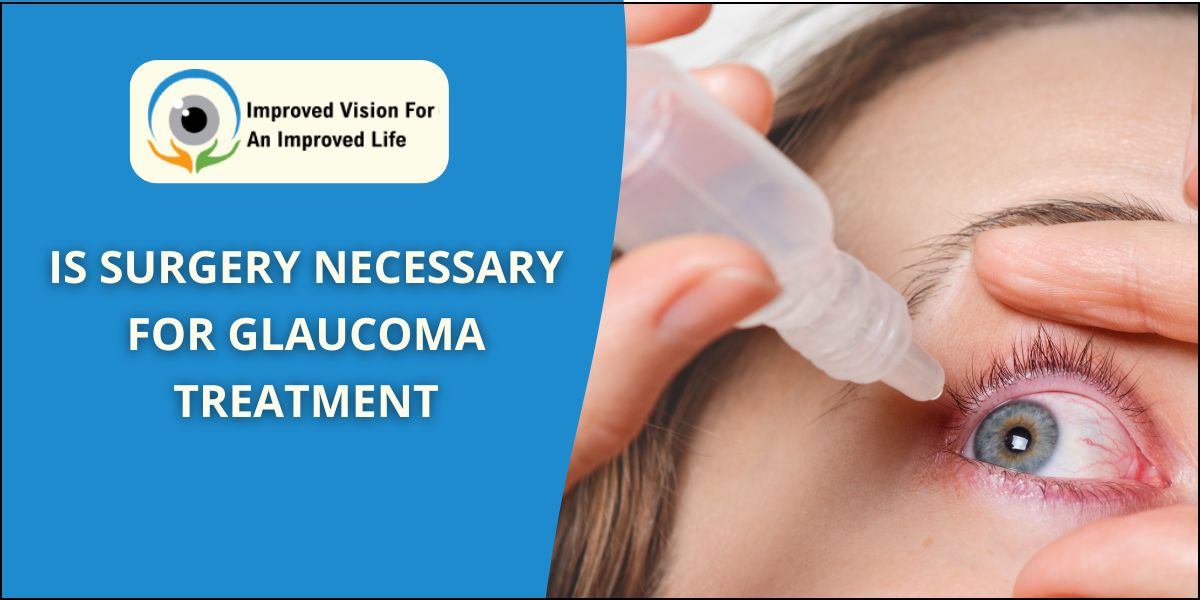
Glaucoma is often called the “silent thief of sight” because it can gradually damage the optic nerve without noticeable symptoms in its early stages. If left untreated, glaucoma can lead to permanent vision loss and even blindness. One of the most common questions patients ask after being diagnosed is, “Will I need surgery for glaucoma?”
The simple answer is not always. Surgery is just one of several treatment options available for glaucoma. In many cases, glaucoma can be effectively managed with eye drops, oral medications, or laser treatments. However, surgery becomes necessary when these treatments fail to control eye pressure or when the disease progresses despite ongoing treatment.
What is Glaucoma?
Glaucoma is a group of eye diseases that damage the optic nerve, usually due to increased intraocular pressure (IOP). The optic nerve carries visual information from the eye to the brain. Once damaged, vision loss cannot be reversed.
The major types of glaucoma include:
- Primary Open-Angle Glaucoma (POAG)
- Angle-Closure Glaucoma
- Normal-Tension Glaucoma
- Congenital Glaucoma
- Secondary Glaucoma
Since glaucoma often develops without pain or noticeable symptoms, regular eye examinations are essential, especially for individuals over 40 or those with a family history of glaucoma.
Can Glaucoma Be Treated Without Surgery?
Yes. In most cases, doctors begin treatment with non-surgical methods aimed at lowering eye pressure.
1. Prescription Eye Drops
Eye drops are the first line of treatment. They work by either:
- Reducing the production of fluid inside the eye.
- Improving the drainage of fluid.
Using eye drops consistently is crucial for preventing disease progression.
2. Oral Medications
If eye drops alone aren’t sufficient, oral medications may be prescribed to further reduce intraocular pressure.
3. Laser Treatment
Laser procedures are minimally invasive and may be recommended before surgery.
Common laser treatments include:
- Selective Laser Trabeculoplasty (SLT)
- Laser Peripheral Iridotomy (LPI)
- Cyclophotocoagulation (CPC)
Laser treatments are quick, safe, and usually performed as outpatient procedures.
When Is Glaucoma Surgery Necessary?
Surgery is generally recommended when:
- Eye pressure remains high despite medications.
- Laser treatment fails to control glaucoma.
- The optic nerve continues to deteriorate.
- Vision loss progresses rapidly.
- Patients cannot tolerate glaucoma medications.
- Advanced glaucoma threatens permanent blindness.
The primary goal of surgery is not to restore lost vision but to prevent further damage by lowering intraocular pressure.
Benefits of Glaucoma Surgery
Depending on the patient’s condition, surgery can provide several advantages:
- Better long-term pressure control
- Reduced need for daily eye drops
- Lower risk of vision loss
- Improved quality of life
- Prevention of further optic nerve damage
How to Prevent Glaucoma Progression
While glaucoma cannot always be prevented, early detection dramatically reduces the risk of vision loss.
Protect your eyesight by:
- Scheduling comprehensive eye exams every year.
- Taking glaucoma medications exactly as prescribed.
- Maintaining healthy blood pressure.
- Controlling diabetes.
- Exercising regularly.
- Informing your doctor about any family history of glaucoma.
Frequently Asked Questions (FAQs)
1. Is glaucoma surgery always necessary?
No. Most patients begin treatment with medications or laser therapy. Surgery is recommended only if these methods fail to control eye pressure or the disease continues to progress.
2. Can glaucoma be cured with surgery?
No. Glaucoma surgery cannot cure the disease or restore lost vision. Its purpose is to lower eye pressure and prevent further damage to the optic nerve.
3. Is glaucoma surgery painful?
Glaucoma surgery is typically performed under local anesthesia, so patients experience little to no pain during the procedure. Mild discomfort after surgery is common and usually resolves within a few days.
4. How long does recovery take after glaucoma surgery?
Recovery depends on the type of surgery but generally takes several weeks. Your ophthalmologist will provide specific instructions to ensure proper healing.
Protect Your Vision Before It’s Too Late
If you’re looking for Glaucoma Treatment in Moshi, trust the experienced specialists at Iris Eye Care & Surgical Centre, Moshi for accurate diagnosis, advanced treatment options, and comprehensive follow-up care. Our team is dedicated to helping you preserve your vision with personalized glaucoma management tailored to your needs.